
Stack Sort: Color Puzzle
PanteonPuzzle
4.6124.00 Reviews
- Version
- 1.037
- Installs
- 500.00K
- Age Rating
- Everyone
Screenshots
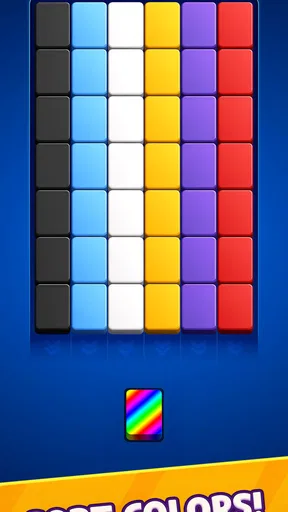
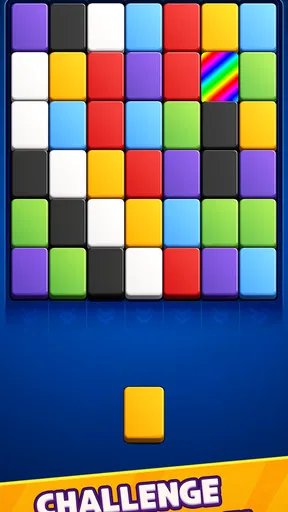
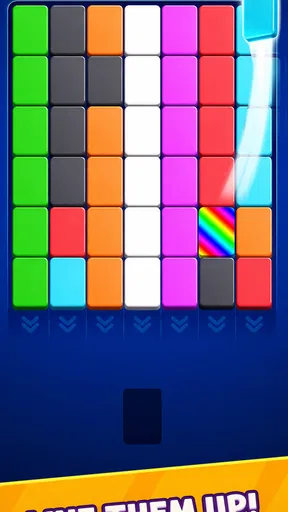
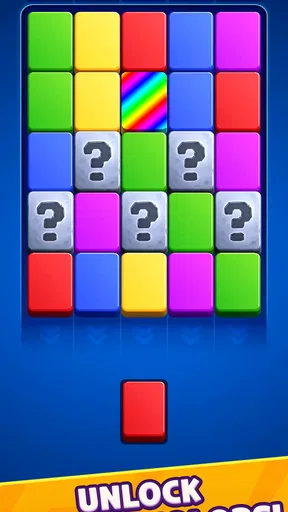
Our Review of Stack Sort: Color Puzzle
 Analysis by Appyee
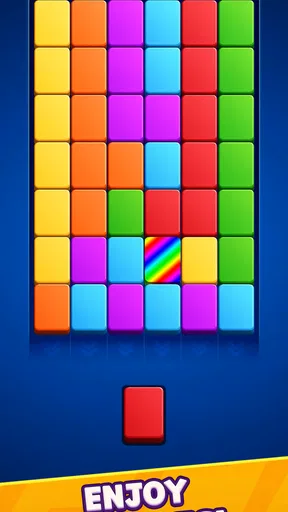
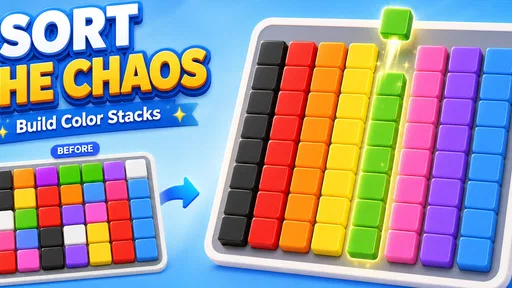
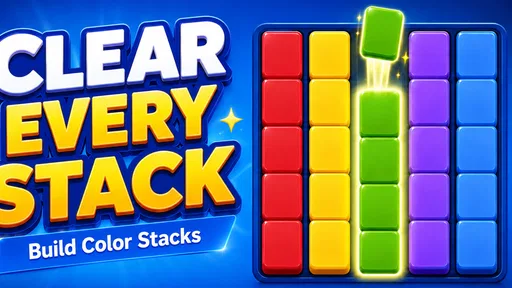
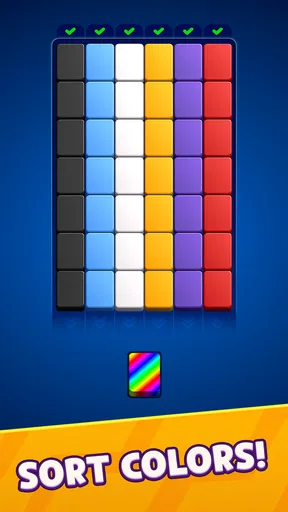
I spent time with Stack Sort: Color Puzzle as a quiet, pick-up-and-play puzzle rather than a game I would rush through. Its central idea is easy to understand: organize colored cards, uncover tiles that are hidden from view, and make the right moves until the board is clear. That simplicity is exactly what makes it approachable, but it also means the quality of each level depends heavily on how well the layout creates decisions instead of merely asking me to repeat the same move.
Developed by Panteon, this free puzzle game is aimed at Everyone and runs on Android devices using at least Android 7.1. It has reached over 500 thousand installs and holds a 4.6 average from around 5 thousand ratings, which suggests that its straightforward format has found a receptive audience. I can see why: a short sorting challenge fits naturally into a spare moment, whether I am waiting for an appointment or taking a break from work.
How the basic sorting loop feels in practice
The first useful habit is to resist moving the most obvious card immediately. I get better results when I scan the whole visible arrangement first and ask which move will reveal the most information. A card that looks ready to place may be less valuable than one covering a tile that could expose a new color or create room for a later stack.
That makes the game more thoughtful than a simple color-matching exercise. The visible cards are only part of the problem. Hidden tiles turn each board into a small planning task, because I have to balance immediate organization against the possibility that the next reveal will change the order of priorities. When I commit too quickly, I can leave myself with awkward spaces and fewer useful choices.
My normal workflow is to identify open destinations, note which colors are already partly arranged, and then choose a move that either completes a meaningful group or improves access to the concealed area. I do not treat every legal move as equally good. A legal move can still be wasteful if it blocks a useful position or consumes the only flexible space on the board.
This is where the game works well for casual players. The rules are readable without a tutorial-heavy introduction, and the objective is visible in the board itself. I can begin playing almost immediately, then gradually develop better judgment through mistakes. That learning curve is more satisfying than a puzzle that explains every tactic before allowing me to experiment.
It is also a good fit for people who prefer calm concentration over speed. I never approach a board as a reflex challenge. I look, test a sequence mentally, and then act. Someone who enjoys arranging objects, untangling small problems, or finding an efficient order of operations will probably understand the appeal quickly.
For an everyday example, I would use it during a short commute or while waiting for food rather than during a long gaming session. One board gives me a contained goal, and I can stop after a completed puzzle without feeling that I have abandoned a large campaign. That makes the game less demanding than story-driven puzzle adventures and more mentally engaging than simply scrolling through short videos.
What I check before making the first move
I begin by separating the board into three kinds of information: colors that are already easy to group, cards that are blocking access, and spaces that should remain available. This simple classification prevents me from treating the entire screen as one undifferentiated pile. The hidden tiles matter most when they sit behind a sequence that can be opened without damaging the rest of the arrangement.
A second useful check is to look for colors that appear in several locations. Those colors often determine the order of play because moving one group may expose another matching card. I try not to finish a visible group merely because I can. Sometimes keeping a partially completed stack available gives me more flexibility than closing it too early.
I also watch for moves that reduce options. If a placement leaves only one usable destination for several remaining cards, I regard it as risky even when it looks tidy. In a sorting puzzle, neatness and progress are not always the same thing. The better move is often the one that preserves two possible routes instead of forcing one narrow sequence.
Settings and practical habits that improve the experience
I would not approach the settings as a place to search for a secret difficulty system or a large collection of customization tools. The important point is more basic: check whatever controls are available before settling into a routine, especially sound and notification behavior on the device. A quiet puzzle is much more pleasant when it does not interrupt the environment where I am using it.
For me, sound is the first thing worth considering. I prefer low-distraction play, so I keep the phone’s overall audio at a level that does not compete with conversation, a podcast, or public surroundings. If you like stronger confirmation from each action, you may choose a different setup, but the game feels best when its feedback supports concentration rather than becoming the main event.
I also recommend checking the display and touch behavior on an older phone before committing to long sessions. The minimum operating-system requirement is Android 7.1, so the game is accessible to a broad range of Android hardware. Still, a puzzle based on precise card movement benefits from a responsive screen. If a device has a small display or inconsistent touch input, mistakes may feel like control problems rather than reasoning mistakes.
There is another practical consideration for families. The Everyone age rating makes the game suitable for a wide audience, but that does not automatically mean every child will enjoy its slower planning style. Younger players may need time to understand why a move that looks correct can make the rest of the board harder. I would introduce it as a sorting challenge, not as a race, and let them experiment without turning every failed attempt into a lesson.
The game is free to install, which makes trying it low-risk. It does include optional in-app purchases ranging from ninety-nine cents to one hundred nineteen dollars and ninety-nine cents per item. That is a very wide range, so I would pay attention to the purchase flow and keep spending controls active if the device is shared. The free entry point is appealing, but families should treat the purchase options as a reason to review account safeguards before handing over the phone.
Version 1.037 is the version associated with the experience I reviewed. I would keep the game updated through the normal app-management routine, particularly on an older Android device, because compatibility and stability can matter more than visual novelty in a simple puzzle. I do not need frequent new systems to enjoy this format, but I do want the basic board interaction to remain dependable.
Small routines that make each session clearer
I get more from the game when I decide what kind of session I want before opening it. If I have only a minute, I play instinctively and accept that the goal is a quick mental reset. If I have more time, I slow down and treat the board as a planning exercise. This prevents me from judging the game unfairly for being deliberate when I am personally in a hurry.
Another helpful routine is to pause after a failed sequence instead of immediately repeating it. I ask which decision caused the problem: did I reveal too little, use a flexible space too early, or commit a color before seeing the next layer? That turns a restart into useful feedback. The game’s value is not only in clearing a board; it is also in learning to recognize avoidable bottlenecks.
I would keep the phone orientation and grip consistent as well. That sounds minor, but card-sorting games rely on visual comparison. A stable viewing angle makes it easier to remember which spaces are available and which cards are still concealed. When I play while walking or constantly switching hands, I make more careless moves because I am dividing attention between the puzzle and the environment.
Faster patterns without turning the game into a race
Experienced play is less about moving quickly and more about reducing unnecessary decisions. I look for a chain in which one placement opens a second useful move, then a third. A move that creates this kind of sequence is stronger than one that merely improves the current appearance of the board.
One pattern I use is the “reveal before completion” rule. When a visible group can be completed, I first check whether another move would uncover a hidden tile. If the reveal can expose a needed color or create a new destination, it may be worth delaying the completion. This is not always correct, but it is a reliable question to ask whenever the board offers several legal choices.
A second pattern is to protect the most flexible space. I avoid filling a location that could accept several colors until I know which color is hardest to place. Flexible spaces are valuable because they preserve options. Once they are occupied by a convenient but nonessential card, the remaining arrangement can become much more restrictive.
I also try to identify the “anchor” color: the color whose position controls access to the rest of the board. It may be the one covering several hidden tiles, or the one that occupies a narrow route between two groups. Solving that color first can make the rest of the puzzle feel simpler. This is more effective than always starting with the color that has the largest visible group.
When several moves appear equally safe, I choose the one that gives me more information. Revealing a tile, opening a destination, or clarifying the location of a repeated color is usually more useful than making a purely cosmetic improvement. This information-first approach is the biggest difference between my early sessions and later ones.
Where speed helps and where it hurts
There is a temptation to measure success by how rapidly the cards move. I think that is the wrong standard for this game. Fast tapping can feel productive while quietly removing the options needed for the final part of a board. I would rather spend a few extra seconds reading the arrangement than restart because I committed to a sequence that looked attractive at the beginning.
That said, hesitation can become its own problem. If I analyze every possible branch equally, a compact puzzle becomes tiring. My compromise is to examine the moves that affect hidden information or flexible space, then make straightforward placements without overthinking them. This creates a useful division between important decisions and routine cleanup.
These habits are especially helpful for players who want a repeatable way to improve. The game does not need a complicated scoring system to reward better thinking. I can set a personal goal such as making fewer speculative moves, preserving more open destinations, or completing a board without undoing a promising arrangement. Those goals add structure without changing the calm character of the puzzle.
Advanced limits and the trade-offs behind the simple design
The same simplicity that makes Stack Sort approachable also limits its appeal. Players looking for a long narrative, character progression, competitive rankings, or a deep collection of puzzle types may find the experience too narrow. Its pleasure comes from the board in front of me, not from a broader world or a large meta-game.
I would also avoid recommending it to someone who wants constant novelty from every session. Sorting mechanics can become repetitive if the player does not enjoy refining small decisions. The hidden-tile element adds uncertainty and planning, but it does not transform the game into a completely different genre. If your ideal puzzle game is based on wordplay, physics, or story discovery, another option will probably suit you better.
Compared with a traditional match-three game, this feels less reactive and more deliberate. Match-three alternatives usually reward scanning for combinations and responding to cascades, while this game asks me to manage order and available space. Compared with a classic block-stacking puzzle, it is less about falling pieces and more about uncovering information. Compared with a large logic-puzzle collection, it offers a narrower identity but a quicker path into the actual challenge.
That comparison also explains who should skip it. If you need strong tactile action, dramatic audiovisual feedback, or a clear competitive target, the restrained sorting loop may feel underpowered. If you want a puzzle that can be understood quickly and revisited without remembering a story or a complex ruleset, its narrow focus becomes a strength.
The purchase structure is another trade-off worth keeping in mind. Because the game is free to start but offers optional items with prices reaching one hundred nineteen dollars and ninety-nine cents, I would not install it casually on a child’s unrestricted device. Adults who already use purchase protection should have little difficulty managing that choice, but the presence of high-priced individual items is still something I would consider before recommending it to a family.
Device age can influence the experience too. Android 7.1 support makes the game available to older phones, which is useful, but availability is not the same as comfort. On a tired battery, a cramped screen, or a display with unreliable touch input, even a well-designed sorting board can become frustrating. I would test a few rounds before deciding whether the game deserves a permanent place on that device.
One advanced limitation is that careful planning can expose the boundaries of a compact puzzle format. Once I understand the value of revealing tiles early and protecting flexible spaces, some boards may feel more like applying a known checklist than discovering a fresh idea. That is not a flaw for short breaks, but it matters if I am choosing one puzzle game to occupy many hours every day.
How I decide whether it belongs on my phone
I would choose it for a waiting-room game, a low-pressure evening activity, or a small mental break between tasks. It asks enough attention to pull me away from idle scrolling, yet it does not require a long uninterrupted commitment. The free price also makes experimentation easy, provided I handle the optional purchase settings responsibly.
I would choose a different puzzle game for a child who needs very explicit instruction, unless I am willing to play alongside them at first. The rules are accessible, but the better decisions are not always obvious. I would also choose something else for a player who becomes annoyed by restarting or who expects every move to produce immediate visible progress.
For a more experienced player, the best use is to turn the game into a small practice ground for planning under incomplete information. I can deliberately delay easy completions, protect open destinations, and compare the result with a more impulsive approach. That gives the simple format more depth than the store summary suggests, without pretending that it has systems it does not have.
My verdict after building a consistent approach
Stack Sort: Color Puzzle succeeds because it keeps its promise focused. I sort, uncover, reassess, and clear the arrangement. The strongest moments come when a board appears nearly solved but still requires one careful decision about order, space, or hidden information. I enjoy that kind of modest tension, especially when I am looking for something more engaging than a passive break.
Panteon’s game is not the right choice for every puzzle fan. Its format may feel repetitive beside broader collections, and its free model deserves sensible purchase controls because optional items range from ninety-nine cents to one hundred nineteen dollars and ninety-nine cents. Those are real considerations, not minor footnotes.
Still, for Android users who like color organization, compact logic problems, and a relaxed pace, I think it is worth trying. My recommendation is to play it with a deliberate routine: scan before moving, reveal information before chasing neatness, protect flexible spaces, and treat failed sequences as clues. The best way to enjoy this puzzle is not to tap faster, but to leave yourself better choices.
With an Everyone rating, support beginning at Android 7.1, and a free starting point, it is easy to test in an ordinary daily setting. After a few rounds, you will know whether the central sorting loop feels satisfying or repetitive to you. In my experience, it works best as a dependable short-session puzzle: simple to enter, quietly demanding to master, and most rewarding when I stop treating every available move as the correct one.
Verdict
Strengths of Stack Sort: Color Puzzle
- Simple drag-and-drop controls are easy to learn.
- Short levels make it suitable for quick play sessions.
- Color sorting offers a relaxing, low-pressure puzzle experience.
- Progressive challenges keep the basic mechanic from feeling repetitive.
- Works well for players who prefer casual games without complex rules.
Limitations of Stack Sort: Color Puzzle
- Later puzzles can feel repetitive once the sorting pattern is familiar.
- Limited variety in the core mechanic may reduce long-term appeal.
- Some levels require careful planning to avoid unnecessary moves.
- Players seeking action or story content may find it too minimal.
- Ads or optional purchases may interrupt the otherwise calm experience.
Other Releases by Panteon
View All
Ball Brawl 3D - Soccer Cup
Sports4.4

Raid Rush: Tower Defense TD
Strategy4.1
Similar Picks in This Category
View All
Block Blast!
HungryStudio4.8

Braindom: Brain Games Test
Lahana Game Studio4.6

AMAZE!
CrazyLabs LTD4.6

Sudoku - Classic Sudoku Puzzle
Oakever Games4.7

Art Puzzle - Puzzle Games
Easybrain4.8

Amaze GO!
Oakever Games4.9
Frequently Asked Questions
What is Stack Sort: Color Puzzle, and how is the gameplay structured?
Stack Sort: Color Puzzle is a casual sorting game built around organizing colored balls, blocks, or similar pieces into matching stacks. Each level gives you a limited arrangement of mixed colors and containers, and you must move items in the correct order until every stack contains one color. The early puzzles are simple, while later stages require more planning and careful use of empty spaces.
Is Stack Sort: Color Puzzle suitable for beginners and casual players?
Yes. The game is easy to understand because its main mechanic relies on familiar color-matching and sorting rules rather than complicated controls. New players can usually begin solving levels immediately, and the gradual difficulty increase makes it accessible for short sessions. However, advanced puzzles may still require patience, several attempts, and the ability to think ahead before making a move.
Does Stack Sort: Color Puzzle require an internet connection to play?
Most of the core sorting levels can generally be played without a constant internet connection, which makes the game convenient for travel or offline use. Nevertheless, certain features may depend on connectivity, including advertisements, cloud-related services, promotional events, updates, or optional rewards. Availability can vary according to the version installed and the operating system, so checking the store listing is recommended.
Are there hints, undo options, or other tools to help solve difficult levels?
The game may provide assistance features such as undoing a recent move, restarting a puzzle, or using hints when a level becomes difficult. These tools are useful because one incorrect move can block access to a container or leave the stacks in an awkward order. Some assistance may be limited or connected to advertisements, in-game currency, or optional purchases, depending on the current version.
Does Stack Sort: Color Puzzle contain advertisements or in-app purchases?
As a free-to-download puzzle game, Stack Sort: Color Puzzle may include advertising, particularly between levels or when players request bonus rewards and assistance. It may also offer optional in-app purchases, such as removing ads, obtaining hints, or unlocking additional benefits. These purchases are not normally required to enjoy the basic sorting gameplay, but users should review the store information and device purchase settings before downloading.
Play our best games!


